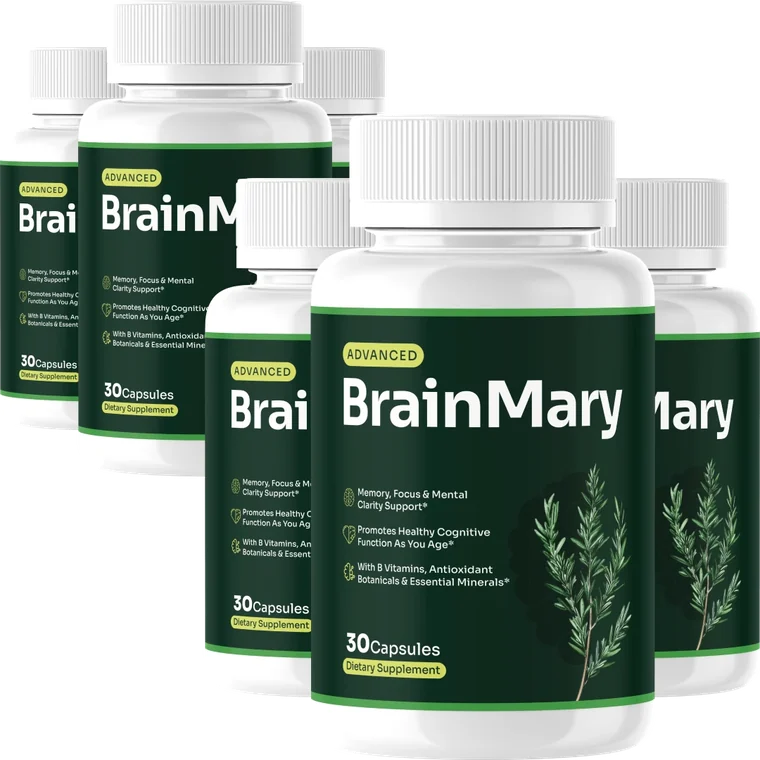
How To Spot An Overhyped Brain Supplement
The cognitive-supplement market runs on big promises, and some are far more grounded than others.
Here's a practical checklist for telling a reasonable product from an overhyped one, using red flags that apply to any brain supplement.
Red flag 1: dramatic, specific promises
‘Eliminates brain fog,’ ‘restores memory to your 20s,’ ‘lifelong cognitive performance.’ The research on nootropic ingredients supports modest effects at best. Any product promising dramatic, specific transformations is writing marketing copy, not describing evidence.
Red flag 2: no clinical trial on the actual product
This is the big one. Almost every brain supplement cites research on its individual ingredients. Very few have any published trial of the finished formula. That distinction matters, because combining well-studied ingredients at unknown doses doesn’t automatically reproduce the studies’ results.
Red flag 3: hidden or vague dosing
Even a great ingredient does nothing at the wrong dose. If a label hides amounts behind a ‘proprietary blend’ or doesn’t publish them at all, you can’t check whether it matches the doses used in research. Treat missing doses as a yellow flag.
Red flag 4: inconsistent information across sites
If different websites selling the same product list different ingredients — something independent reviewers have specifically flagged for some brain supplements — that’s a reason to slow down and verify exactly what you’re buying from the official source.
Red flag 5: testimonials doing all the work
Personal success stories can be genuine, but they aren’t evidence. They’re shaped by expectation, lifestyle and the placebo effect — which is real and measurable in cognitive self-assessment. A product leaning entirely on testimonials, with little else, is telling you something.
Red flag 6: no honest downside
Every real supplement has people it isn’t for, ingredients that interact with medication, and limits to what it does. A sales page that mentions none of this isn’t being careful with you.
The one-line test
Ask: does this product’s marketing sound stronger than the evidence for its ingredients? If yes, adjust your expectations down before you buy — or see our note on which ingredients actually have evidence.